A compression shirt is a close-fitting athletic top designed to provide gentle support, stretch, and a streamlined fit during workouts. Whether you’re lifting weights, running, training outdoors, or looking for a comfortable base layer, the right compression shirt can help you move freely while keeping your workout clothing lightweight and practical.
But with so many styles, fabrics, and fits available, how do you choose the best compression shirt for your needs?
In this guide, we’ll explain what compression shirts do, their potential benefits, how to find the right fit, and what to look for when shopping for affordable men’s activewear. We’ll also cover how to wear a compression shirt for the gym, running, sports, and everyday layering.
A compression shirt is an athletic garment made from stretchy, close-fitting fabric that applies gentle pressure around the body. Most designs use a blend of synthetic fibers, such as polyester and elastane (spandex), to provide flexibility and a snug fit.
Unlike a regular fitted T-shirt, a compression shirt is designed to sit closely against your skin. This makes it useful for workouts where loose fabric might get in the way.
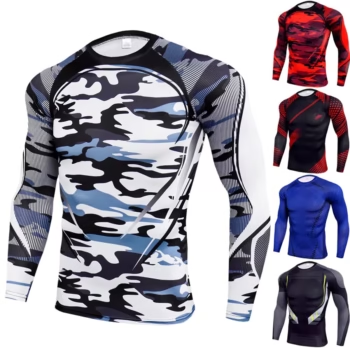
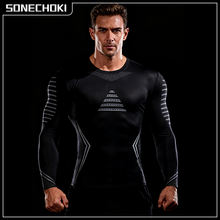
Compression shirts are available in several styles, including short-sleeve tops, long-sleeve athletic shirts, and lightweight base layers. The best option depends on your training routine, preferred coverage, and the conditions in which you exercise.
A well-fitting compression shirt can be a useful addition to your workout wardrobe. While results vary by person and activity, here are some reasons athletes and fitness enthusiasts choose compression clothing.
Compression fabric fits snugly around your torso and arms, helping keep the garment in place as you bend, stretch, lift, and move. This close fit can be especially convenient during strength training, circuit workouts, and sports practice.
Many athletic compression shirts use quick-drying synthetic fabrics designed to move moisture away from the skin. Breathable materials can help you feel more comfortable during sweaty workouts, particularly when combined with suitable ventilation.
For warm-weather training, look for lightweight fabric and breathable construction.
Stretch fabrics allow a compression shirt to move with your body through a wide range of exercises. Whether you’re performing squats, lifting weights, or going for a run, choose a shirt that stretches comfortably without pulling across your shoulders or chest.
One of the biggest advantages of a compression shirt is its versatility. Wear it underneath a sports jersey, hoodie, or jacket for an additional lightweight layer without the bulk of a loose T-shirt.
Long-sleeve compression tops can be particularly useful during cool-weather workouts and outdoor activities.
Some people find compression clothing comfortable during or after physical activity. However, the effects on athletic performance, muscle soreness, and recovery vary, and compression shirts are not a substitute for appropriate training, rest, hydration, or medical care.
Choose compression clothing primarily for its fit, comfort, and suitability for your activity.
Not sure how to incorporate a compression shirt into your routine? Here are four practical ways to wear one.
For weight training and general fitness, choose a shirt that stays close to your body without restricting your breathing or shoulder movement.
A short-sleeve compression shirt works well for indoor workouts, while a long-sleeve version provides additional coverage. You can wear it alone or layer it under a loose training top.
Runners often prefer lightweight athletic shirts that feel comfortable over longer distances. Look for smooth seams, breathable fabric, and a fit that doesn’t rub against your skin.
A long-sleeve compression running shirt can offer extra coverage on cooler mornings. For hot conditions, lightweight fabric and ventilation may matter more than sleeve length.
Wear a compression shirt underneath a hoodie, sweatshirt, jacket, or team jersey when you want a streamlined first layer.
For colder weather, consider a long-sleeve design and layer it with clothing appropriate for the temperature. Remember that a compression shirt alone may not provide enough insulation in very cold conditions.
Compression tops can also work for casual activities, travel, and outdoor exercise. If you plan to wear one for several hours, prioritize soft fabric, comfortable seams, and a fit that doesn’t feel restrictive.
You don’t need maximum compression for every situation. Comfort should always come first.
Different compression shirts suit different activities. Understanding the main styles makes it easier to choose the right one.
Short-sleeve designs are a practical choice for gym training, indoor sports, and warm weather. They provide a close fit around the torso while leaving the arms mostly uncovered.
Long-sleeve shirts provide additional coverage for outdoor training, cooler temperatures, and sports that require more protection from direct contact with clothing or equipment.
Choose breathable material if you expect to work up a sweat.
Base layers are designed to sit underneath other garments. They are useful for layering beneath jerseys, sweatshirts, and jackets without adding much bulk.
Quick-dry athletic tops are designed to manage moisture and dry relatively quickly after exercise. Check the product description carefully, as not every fitted workout shirt offers the same level of compression or moisture management.
The best compression shirt is one that fits correctly, feels comfortable, and matches your workout routine. Consider these factors before buying.
Look for a flexible fabric blend that offers stretch and holds its shape. Polyester and elastane are common choices for athletic clothing because they combine flexibility with practical everyday durability.
If you train in warm weather, consider lightweight fabric and breathable panels. For colder conditions, you may prefer a long-sleeve design that works well under additional layers.
A compression shirt should fit more snugly than a regular T-shirt, but it shouldn’t feel painfully tight.
Check the manufacturer’s size chart and compare the measurements with your own. Pay attention to chest width, shoulder fit, torso length, and sleeve length.
Choose a different size if the shirt restricts your breathing, digs into your skin, or limits your movement.
Seam construction can make a difference during running and longer workouts. Flat seams and smooth finishes may help reduce rubbing, especially around the underarms and shoulders.
If you have sensitive skin, check the product photos and construction details before purchasing.
Breathable construction can improve comfort during intense exercise. Some shirts include mesh panels or strategically placed ventilation areas to help release excess heat.
Think about where you’ll exercise most often before deciding which features matter.
Short sleeves are often suitable for indoor training and warmer weather. Long sleeves provide extra coverage and may be more comfortable during outdoor activities in cooler conditions.
Your preferred sleeve length should reflect the climate, workout intensity, and amount of coverage you want.
An affordable compression shirt can be a good choice if it offers a comfortable fit, suitable stretch, and construction that meets your needs.
Rather than judging a shirt by price alone, compare the fabric composition, available sizes, care instructions, and product specifications.
At KDBAZAR, you can explore men’s activewear to discover athletic clothing that suits your style and budget.
Although they may look similar, compression shirts and regular fitted T-shirts serve slightly different purposes.
Compression shirt: Designed with stretchy fabric and a close-fitting cut intended to provide gentle pressure against the body.
Regular fitted T-shirt: Designed primarily for everyday comfort and appearance. It may fit close to the body without providing the same compression.
Moisture-wicking workout shirt: Designed to manage sweat, but it may or may not offer compression.
The important distinction is that a shirt can be breathable and fitted without being a true compression garment. Always check the product specifications rather than relying on appearance alone.
Finding suitable workout clothing doesn’t have to mean spending a fortune. When shopping for men’s athletic wear, look for practical designs that combine a comfortable fit, flexible materials, and versatility across different activities.
KDBAZAR offers a range of men’s fashion and activewear styles to help you build a wardrobe for training and everyday use.
Explore these collections to find clothing that complements your workout routine:
Men’s Activewear: Explore athletic clothing for training and active lifestyles.
Men’s T-Shirts: Browse casual tees and graphic styles for everyday outfits.
Men’s Fashion: Discover more clothing options for updating your wardrobe.
Looking for a compression shirt? Browse the available product listings, review their individual specifications, and check the sizing information to find a suitable option.
Product availability, prices, shipping terms, and fabric features can vary by listing, so check the product page before ordering.
A compression shirt is designed to fit closely against the body and apply gentle pressure. It can provide a secure fit during exercise, support comfortable movement, and serve as a lightweight base layer.
Yes. A compression shirt should fit snugly, but it should not cause pain, restrict breathing, or limit your range of motion. Check the size chart and choose a different size if the fit feels excessively restrictive.
It can be. Compression shirts are popular for strength training, running, and sports because their close fit and stretch fabric allow freedom of movement. Choose breathable material and a suitable fit for your activity.
You can wear one for everyday activities if it feels comfortable and doesn’t irritate your skin. Remove it if you experience discomfort, excessive pressure, or skin irritation. Follow the garment’s care instructions to maintain its condition.
Yes. Many people wear compression shirts underneath regular T-shirts, jerseys, sweatshirts, or jackets. The slim profile makes layering convenient without adding much bulk.
A compression shirt is designed to fit snugly and apply pressure to the body. A base layer is any garment worn closest to the skin for comfort, moisture management, or warmth. Some base layers offer compression, while others have a looser fit.
Neither is universally better. Short sleeves are convenient for warm weather and indoor training, while long sleeves provide additional coverage for cooler conditions and outdoor activities. Choose the style that suits your environment and preferences.
Start with the manufacturer’s size chart and compare your measurements with the listed chest and body dimensions. The shirt should fit close to your body while allowing normal breathing and unrestricted movement.
The right compression shirt combines a supportive fit, comfortable stretch, and fabric suited to your activity. Whether you need a short-sleeve top for the gym, a long-sleeve option for outdoor training, or a lightweight base layer, choosing carefully can help make your workout wardrobe more practical.
Focus on fit, breathability, construction, and value instead of buying based on appearance alone.
Ready to update your activewear? Explore men’s activewear at KDBAZAR and discover styles for your next workout.
complete men’s clothing collection
Free worldwide shipping. Shipping policy.


Leave a comment
You must be logged in to post a comment.